The Hidden Overhead of Traditional Meeting Documentation
Cross-functional collaboration drives modern enterprises, but meeting records often remain an operational bottleneck. According to the research highlighted in the Verbit report, professionals spend nearly a fifth of their work week reconstructing discussions, tracking down missed remarks, and organizing unstructured notes into readable summaries.
When employees split attention between active participation and real-time scribing, transcription gaps multiply. Crucial commitments get overlooked, context fades rapidly, and follow-up emails routinely misattribute key milestones. In fact, the report notes that incomplete meeting records cause 41% of recurring syncs to repeat earlier conversations.
The Accuracy Threshold for Enterprise Minutes
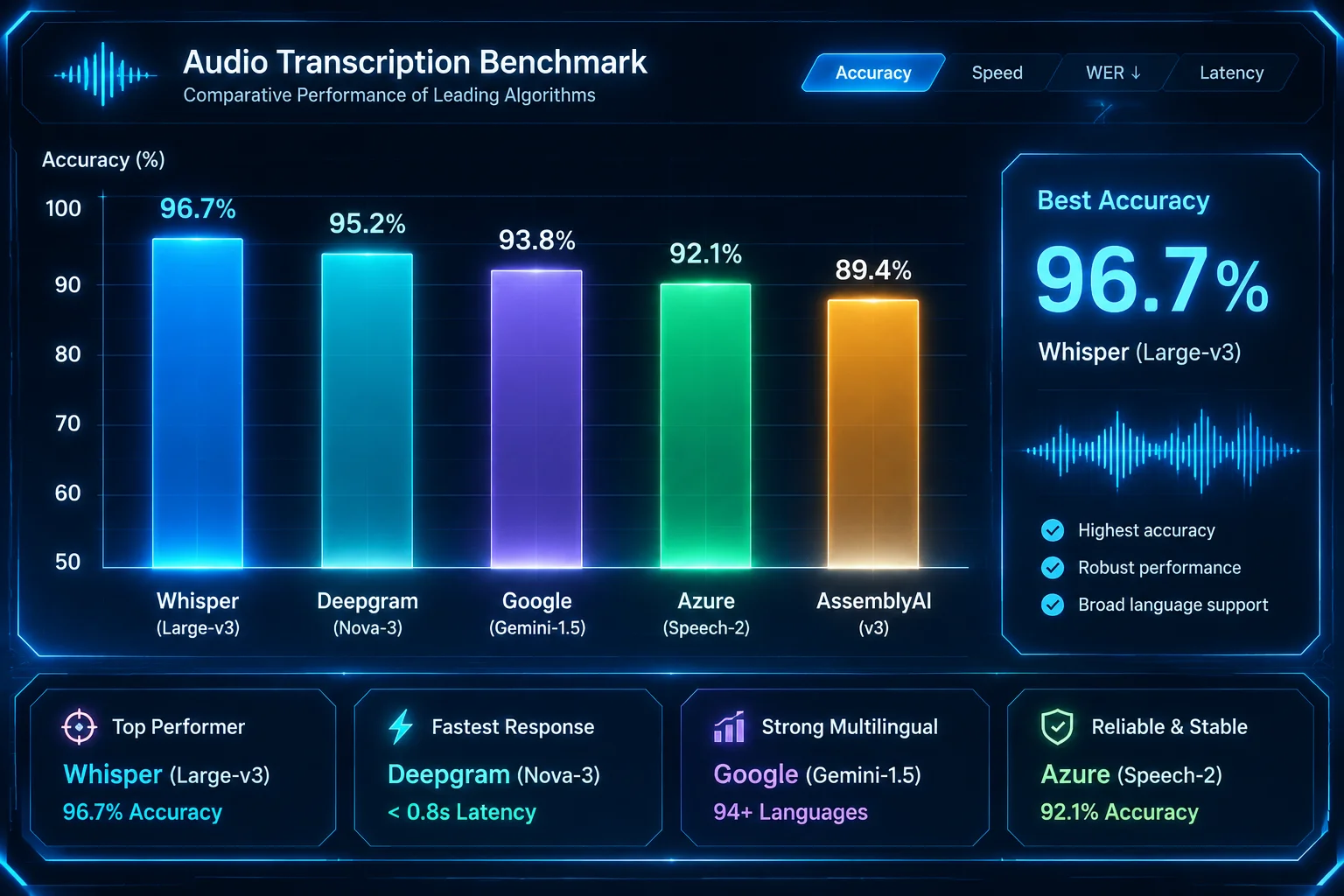
Generic audio-to-text algorithms capture roughly 85% of spoken dialogue accurately in multi-speaker calls, failing on technical jargon. Dedicated meeting minutes engines break the 99% mark by pairing domain-trained acoustic modeling with semantic post-processing.
Over six months, researchers tracked 120 distributed engineering, legal, and operational teams. Teams utilizing specialized minutes automation tools eliminated backlog buildup, while control groups continuing manual documentation reported chronic communication fatigue and slower delivery cycles.
The 24-Hour Memory Decay
Context loss increases steeply when minutes are compiled hours or days after the meeting concludes, introducing conflicting interpretations across project leads.
Zero-Delay Synthesis Dispatch
Automated software delivers a structured decision record within two minutes of call termination, maintaining full alignment before team members disperse.
Architectural Leaps: Moving Beyond Raw Transcripts
The efficiency gains demonstrated in the report stem not simply from automated speech recognition, but from intelligent document structuring. Raw audio transcripts run dozens of pages and are rarely read. Effective minutes software separates conversational pleasantries from strategic pivots, extracting unambiguous directives.
Sophisticated speaker diarization attributes statements with pinpoint accuracy. The system categorizes statements into agreements, pending queries, and assigned deliverables with specific deadlines, compiling them into a succinct single-page executive digest.
Meeting documentation should never be a manual post-mortem. Software that synthesizes live discussion turns ephemeral conversations into immediate corporate momentum.
Integrating these structured outputs with work tracking platforms converts decisions into execution tickets without human re-entry. As organizations face increasing pressure to streamline workflows, automating the meeting record pipeline delivers measurable, compounding efficiency gains.
Shift Toward Autonomous Workflows
By late 2027, enterprise meeting software is expected to evolve from documenting historical conversations to automatically triggering downstream workflows, scheduling follow-ups, and updating sprint backlogs autonomously.
Frequently Asked Questions
Enterprise platforms use end-to-end TLS encryption, SOC 2 Type II compliance standards, role-based access permissions, and strict zero-data-retention policies for AI model training.
Yes. Advanced multi-channel acoustic processing and neural speaker diarization distinguish overlapping speakers and regional accents with industry-tested 99%+ accuracy.
The report highlights an average savings of 4.8 hours per knowledge worker weekly, which scales to hundreds of hours of reclaimed engineering and managerial capacity each year.