Addressing the Friction in Modern Executive Coordination
Coordinating executive, client, and cross-departmental schedules remains one of the costliest administrative bottlenecks in knowledge-based industries. While standard booking links provided an initial step away from manual scheduling emails, they inadvertently transferred cognitive friction onto external clients and partners. Many recipients view static calendar links as impersonal or dismissive during high-stakes sales conversations and senior executive recruitment cycles.
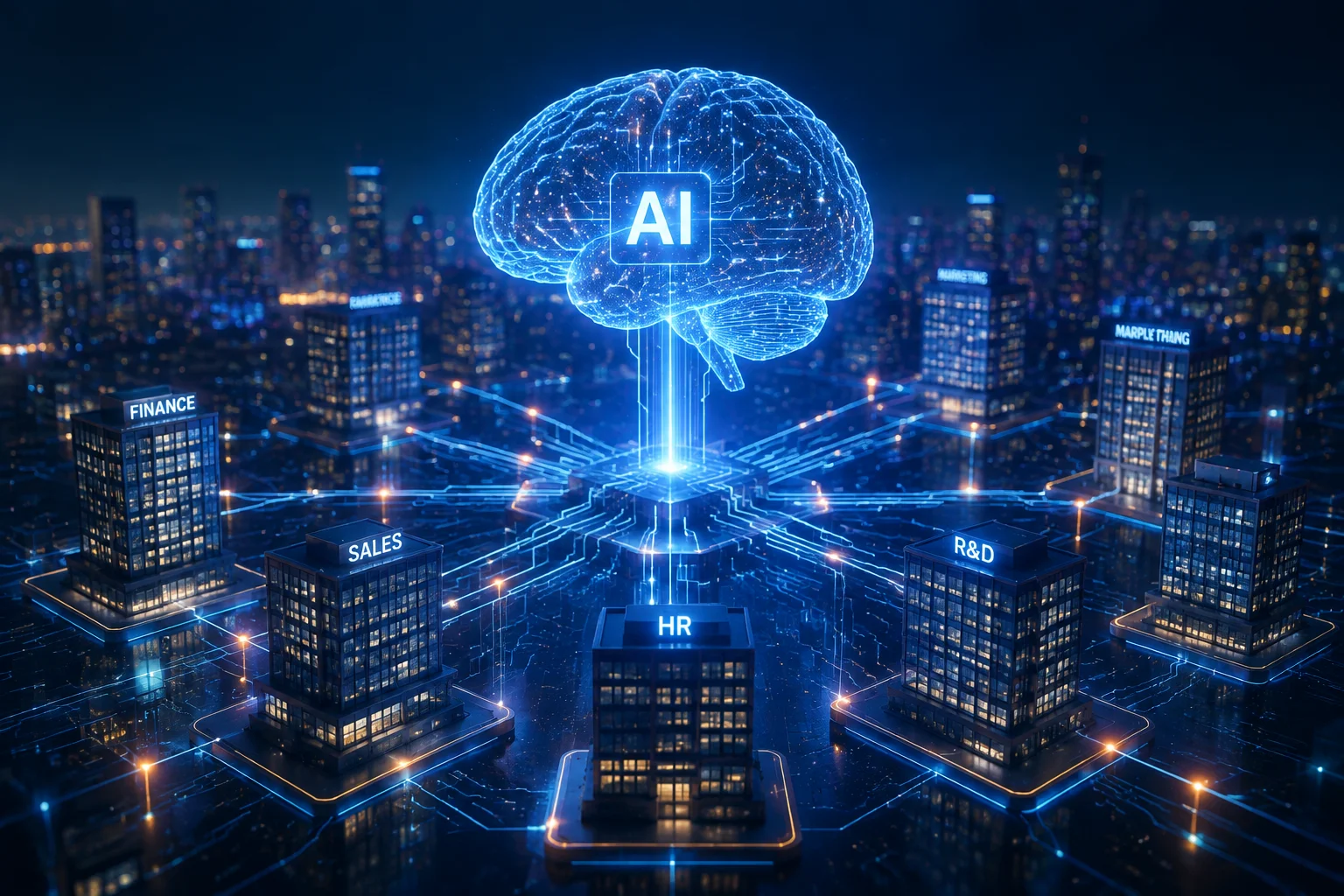
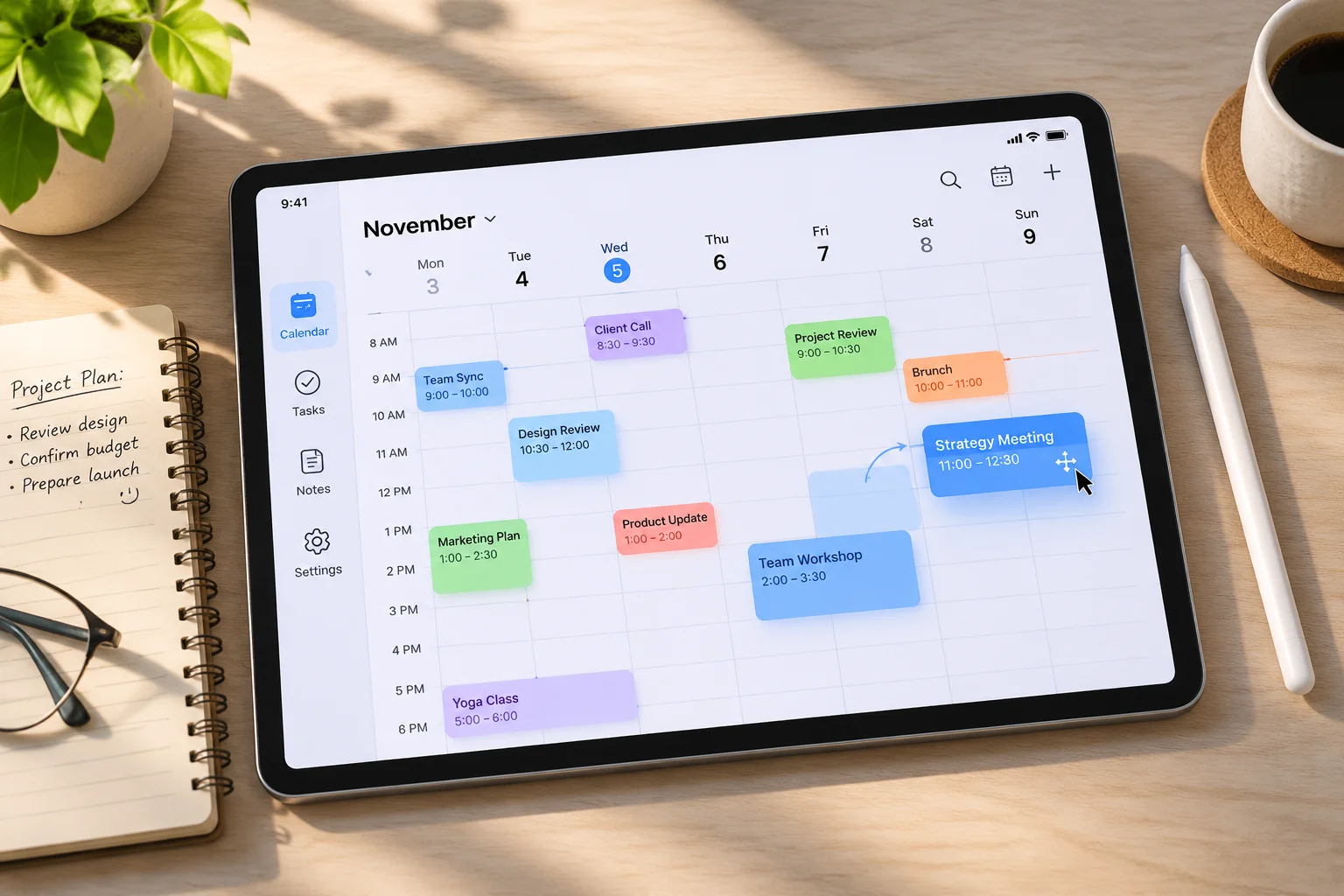
Modern autonomous scheduling assistants eliminate this interpersonal drag by introducing conversational negotiation directly into email and chat interfaces. Instead of requiring external stakeholders to open external tabs and scan through grids of open times, modern AI assistants interpret natural language availability, balance personal focus hours, and propose optimal collaboration windows that respect all parties' established working rhythms.
From Passive Calendars to Proactive Decision Engines
Recent enterprise research documents an 18% higher response drop-off in enterprise sales sequences when rigid booking URLs replace natural in-thread scheduling confirmations powered by proactive AI agents.
Modern scheduling engines analyze historical meeting patterns, travel buffers, and individual productivity cycles. When a client expresses interest in a review session, the assistant immediately computes mutual timezone overlaps, eliminates tentative holds that have gone stale, and delivers a concise confirmation in natural conversational English.
Hybrid Cross-Platform Desynchronization
Over 62% of multinational corporations operate concurrent Google Workspace and Microsoft 365 environments, producing ghost availability and overlapping bookings whenever platform sync latency exceeds 90 seconds.
Real-Time Bidirectional Webhook Polling
Leading scheduling tools leverage sub-second event streaming to immediately reserve tentative time blocks across all linked enterprise accounts until final multi-party confirmation arrives.
Economic Impact and Measurable Productivity Returns
Implementing intelligent scheduling agents produces immediate, measurable operational dividends. Across analyzed engineering and product departments, minimizing fragmented thirty-minute gaps protected continuous 3-hour focus blocks, driving an estimated 22% improvement in sustained development output. When meetings are clustered logically around natural cadence points, cognitive context switching drops dramatically.
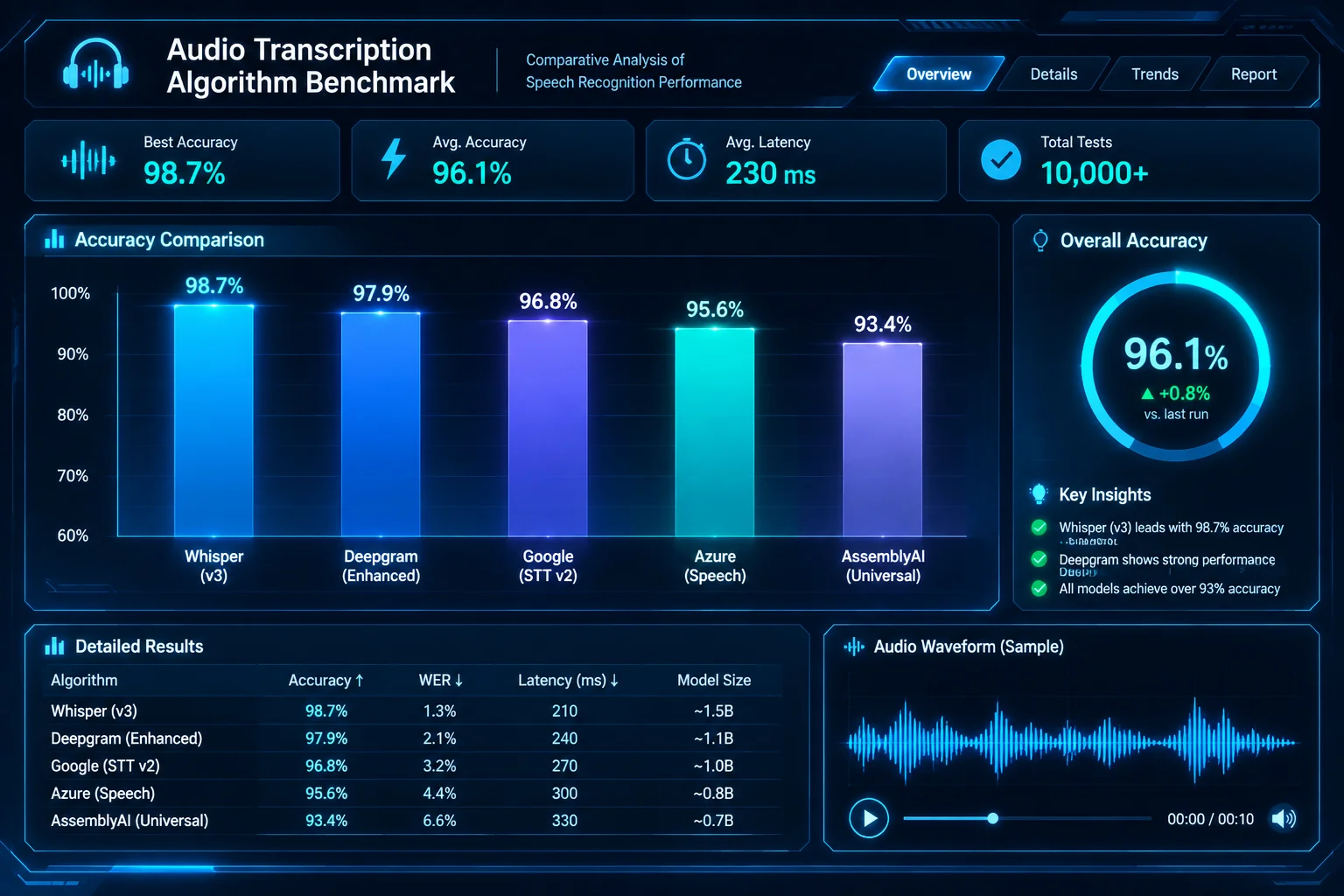
Equally critical is the intersection between scheduling platforms and AI transcription tools like Gramolas-ai. When an automated meeting assistant transcribes a session, extracts clear action items, and identifies that certain deliverables require a follow-up briefing, the scheduling agent can autonomously propose that follow-up only to the relevant stakeholders, saving uninvolved team members from unnecessary calendar commitments.
Autonomous scheduling is no longer just about filling empty calendar slots; it is about defending deep-work hours and ensuring executive time is reserved solely for high-leverage business discussions.
Looking at projected trends through late 2026 and 2027, the market is quickly moving past fragmented point solutions. Enterprise buyers increasingly demand integrated productivity stacks where audio transcription, structured meeting notes, task assignment, and calendar scheduling operate as a continuous automated loop.
Projected 27.4% Compound Annual Growth
The global corporate market for intelligent scheduling automation is on track to surpass previous estimates, driven by remote-first organizations that require algorithmic management of cross-continent meeting density.
Frequently Asked Questions
Traditional booking links require external parties to open an outside URL, manually browse through open slots, and complete form fields. Conversational AI scheduling assistants operate directly inside email and messaging channels, evaluating participant timezones, historical focus patterns, and meeting priorities to propose and confirm slots naturally.
Yes. By pairing transcription engines like Gramolas-ai with scheduling bots, extracted action items and unresolved discussion topics can automatically trigger follow-up calendar invitations for assigned team members without manual administrative coordination.
Enterprise-ready assistants comply with strict SOC 2 Type II and GDPR protocols. They analyze only free/busy metadata and encrypted calendar markers, ensuring private meeting descriptions and proprietary attendees lists are never stored in external model training repositories.